

What are the examinations & tests involved?
X-ray, Ultrasound, Echocardiogram and Screening tests (taken for other reasons).
Read More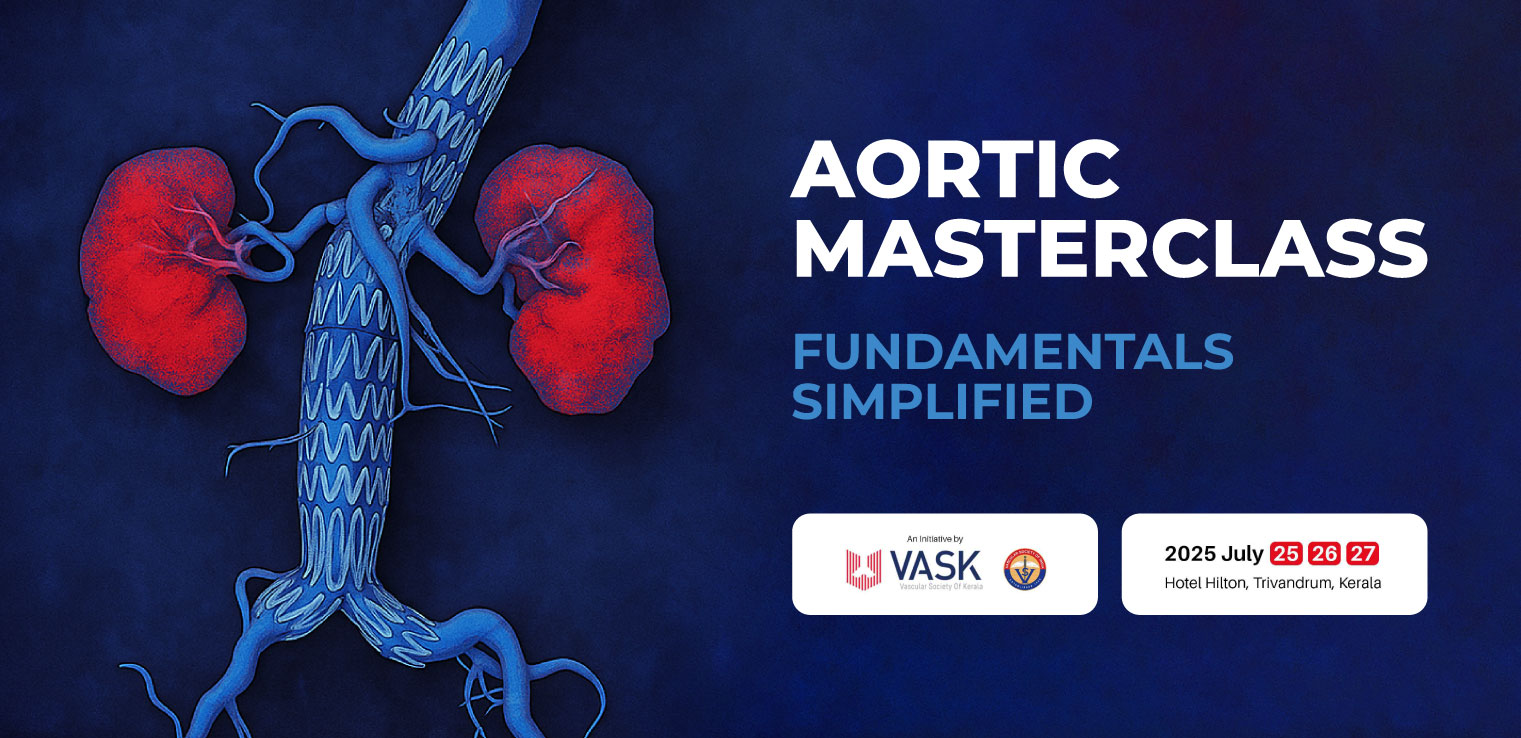

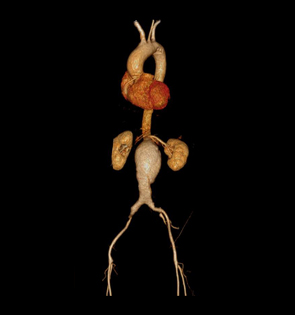
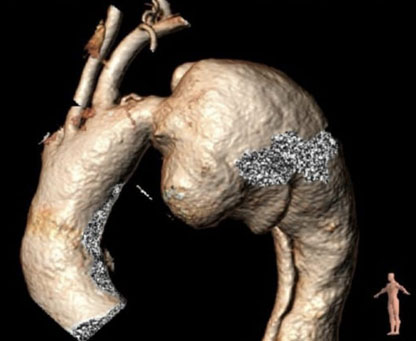
Normally the walls of the arteries are thick and muscular, allowing them to withstand a large amount of pressure. Occasionally, a weak area may develop in the wall of the artery. This makes the pressure within the artery to push outwards, creating a bulge or ballooned area called aneurysm. Aortic aneurysm is a bulge in a section of aorta; which makes it overstretched and weak. If untreated it can burst and cause serious complications too.
Read MoreAn aortic aneurysm is caused by a weakening of the aortic wall, often due to factors like high blood pressure, smoking, and aging.
Abdominal aortic aneurysm symptoms: General belly discomfort, pain in the chest, abdomen, lower back, pain over the kidney- possibly spreading to the groin, buttocks, or legs. The pain may be deep or throbbing, and may last for hours or days. Other possible symptoms include pulsating sensation in the abdomen, a cold foot (a black or blue painful toe due to blockage of blood flow to the legs or feet), and fever or weight loss.
Thoracic Aortic Aeurysm Symptoms: Chest pain- could be deep, aching or throbbing, back pain, cough or shortness of breath (if the aneurysm is in the area of the lungs), hoarseness in voice or difficulty or pain while swallowing.
Vascular surgeons are specially trained to diagnose and treat disorders of the arteries and veins, including complex aortic conditions. They offer the most comprehensive and personalized care for patients with aortic aneurysms.
Vascular surgeons undergo rigorous training focused entirely on blood vessel diseases, including both abdominal and thoracic aortic aneurysms.
They are proficient in both minimally invasive endovascular aneurysm repair (EVAR/TEVAR) and open surgical repair, giving patients access to the full range of treatment options.
Vascular surgeons consider your entire health profile and aortic anatomy before recommending the most appropriate intervention—or surveillance.
Management doesn’t stop after treatment. Vascular surgeons provide long-term monitoring and follow-up, especially important after endovascular repair.
Unlike other specialists who may only perform one type of procedure, vascular surgeons are uniquely qualified to deliver holistic, unbiased care—medical, endovascular, or surgical.
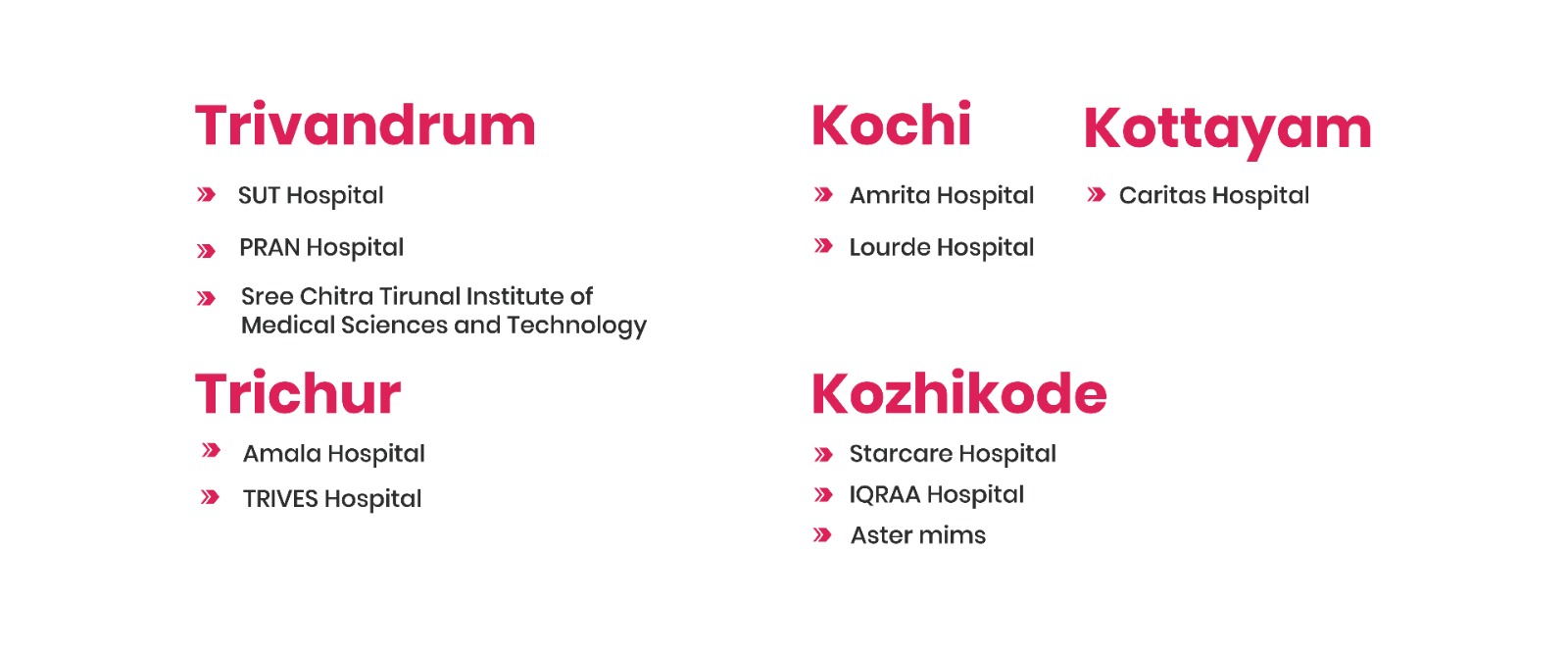
Locate trusted vascular surgery center offering aortic disease care in your district.
Stay informed with the latest medical news, health tips, and clinic updates to support your well-being.
X-ray, Ultrasound, Echocardiogram and Screening tests (taken for other reasons).
Read More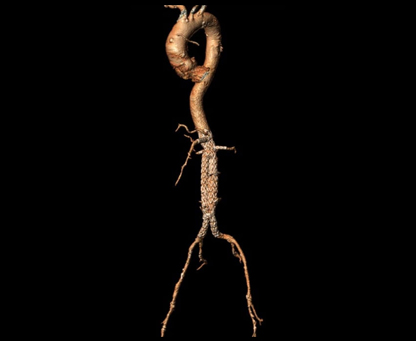
If you are diagnosed with aortic aneurysm, you need close medical monitoring and possibly surgery or treatment.
Read More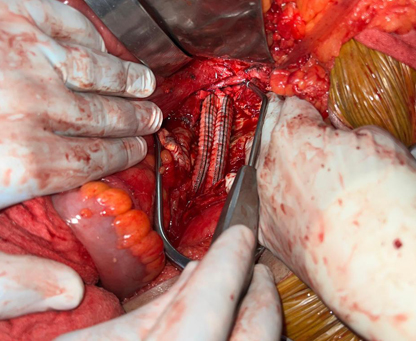
Maintaining a healthy lifestyle is essential to protect your heart and blood vessels.
Read More